
Dental Implants Rowlett
Where Complete Smiles Become a Reality

At Sweet Family Dentistry, we aim to provide our Rowlett patients with a one-stop shop for all their oral healthcare needs. This is why we are pleased to place and restore dental implants in-house so that referrals to outside specialists are not necessary. Using a CBCT scanner, we can effectively prepare a treatment plan that will generate a healthy, complete smile using superior tooth replacement solutions that are unlike any other. Call our office today to schedule a consultation.
Why Choose Sweet Family Dentistry for Dental Implants?
- In-House Dental Implant Placement & Restoration
- CBCT Scanner for Reliable Treatment Planning
- Implant Dentist with Specialized Training & Experience
What are Dental Implants?
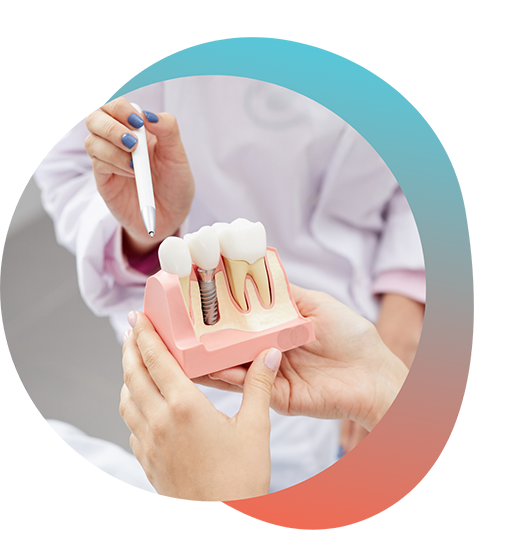
As titanium implant posts that offer a root-to-crown replacement, dental implants are placed within the jawbone and offer maximum stability once they fuse with the bone tissues. Versatile in their ability to support crowns, bridges, and dentures, these prosthetics can last a lifetime if properly cared for and allow for natural daily function when it comes to eating and speaking.
The 4-Step Dental Implant Process

Learning how dental implants work in Rowlett can help you better understand the process and why it’s so important to take proper care of your new smile once it is secured in place. Although your case will look different than another patient’s, our Sweet Family Dentistry team will have you walk through the same four steps to achieve successful implant placement. They include: the initial consultation, dental implant surgery, osseointegration and abutment placement, and the final delivery of your custom restoration.
Initial Dental Implant Consultation
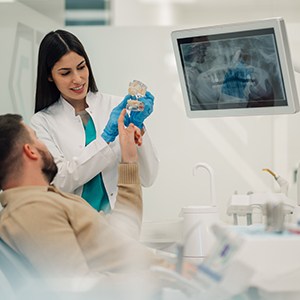
A thorough consultation with Dr. Chan is necessary to determine if your mouth is ready for dental implants in Rowlett. He will carefully examine your mouth and determine if any problems exist as well as discuss your overall health and any lifestyle habits that might hinder the implant process (i.e., smoking, diabetes, etc.). Finally, he will evaluate the density of your jawbone to determine if there is enough to fuse with implants and support a custom restoration. Preliminary treatments might be required, such as bone grafting, gum disease treatment, or even tooth extraction.
Dental Implant Surgery
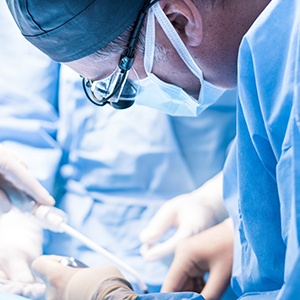
The entire process is completed in-house using local anesthesia. Dr. Chan will make sure you are completely comfortable before making a small incision in your gums. Depending on how many implants you need, this will require one or more incisions. By exposing the underlying bone, he will place each implant into its designated spot before closing the gum tissue and placing a healing cap over the top of each post. You will then be sent home to start the recovery process.
Dental Implant Osseointegration/Abutment
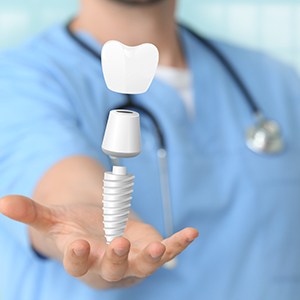
You will spend 4-6 months recovering at home and allowing osseointegration to take place. You will need to adhere to the post-operative instructions provided to you, as this will ensure you experience no complications throughout your recovery. Once your implants fuse with your bone and the surrounding tissues, you will return to our office and have your metal abutments put in place. These ensure that your restoration remains attached to your implants.
Delivery of Dental Implant Restorations
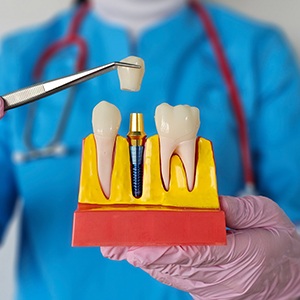
The final step in the dental implant process is the delivery of your custom restoration. During your consultation, Dr. Chan will determine how many teeth need to be replaced, which will indicate which type of restoration you need – a crown, bridge, or denture. Once your abutments are in place, an impression will be captured and sent to a local lab, where technicians will begin to build your new set of teeth. When your customized crown, bridge, or denture is finished, we will put it in place by securing it to the top of your abutment so that you can begin to enjoy your new, beautiful smile.
Benefits of Dental Implants

Dental implants offer an array of benefits that cannot be matched by other tooth replacement solutions, like dental bridges or dentures. Although these options may provide the look of a healthy, complete smile, only dental implants will deliver the reassurance of a secure, stable, and longer-lasting set of teeth. Not only will you be able to eat the foods you love, but you’ll also be able to smile with confidence, enjoy better oral and overall health, avoid bone resorption over time, and embrace a solution that requires no additional products, adjustments, or replacements. Take a look at some of the advantages you can expect to appreciate from dental implants.
Day-to-Day Benefits
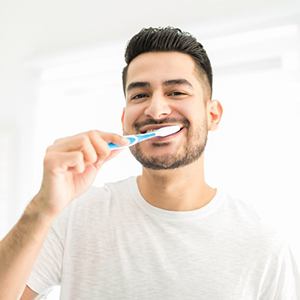
- Easier Maintenance: Other traditional restorations, like dental bridges and dentures, often require special products or techniques to keep them clean and healthy. However, since dental implants function like natural teeth, you’ll simply need to brush, floss, and rinse with mouthwash like with your normal pearly whites.
- Restored Biting Power: With dental implants, you can expect to regain 80% or more of your natural chewing force, meaning you can expand your dietary choices and enjoy more of your favorite foods, including tougher-textured meals.
- Improved Confidence: While dental implants will be constructed out of titanium and tooth-colored materials, they will be specifically designed to match the rest of your natural smile. This means you won’t have to worry about your results being noticeable, and you’ll be free to confidently show off your brand-new pearly whites.
Health Benefits

- Bone Loss Prevention: Whenever there are missing tooth roots, the jawbone can begin to shrink and deteriorate due to a lack of stimulation. If left unchecked, this can lead to bone loss and even further tooth loss, as any nearby teeth can shift out of place to close the gaps. Dental implants provide the necessary stimulation for healthier bone growth, preserving the jawbone.
- Greater Overall Health: Dental implants function like natural teeth, meaning they’re also easier to maintain in the long run. For this reason, you’ll be more likely to avoid serious oral health problems that can arise, such as decay, cavities, and gum disease.
Long-Term Benefits

- Successful Treatment: Dental implants have been shown to have a success rate of 95% or more, even 10 years after being placed.
- Long-Lasting Results: While traditional dental bridges and dentures can last 15 years or so before needing replacements, dental implants can last decades to a lifetime with proper care.
- Saves You Money: Dental implants won’t require special products like adhesives or soaking solutions, meaning you can save more money with them in the long term.
Dental Implant Post-Op Instructions
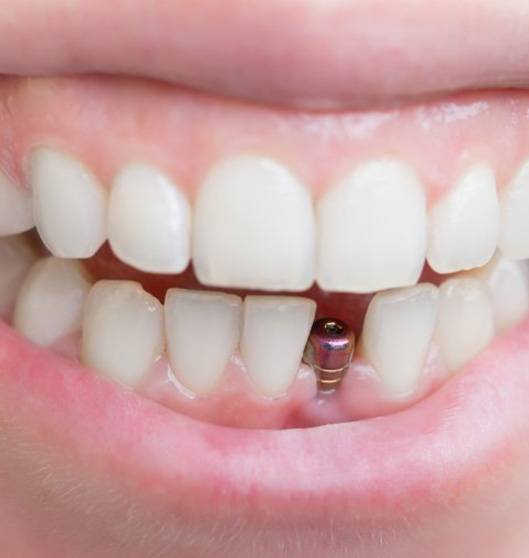
Now that you’ve had your beautiful, durable dental implants surgically placed, it’s time for the recovery process. But don’t worry, this important healing period is nothing to be afraid of! Below, we’ll outline what you can expect, what types of symptoms are normal, and how you can help your newly restored smile last for a lifetime. If you ever experience any intense, abnormal pain or other strange side-effects that aren’t mentioned here, don’t hesitate to contact us for assistance.
What to Do Directly After Dental Implant Surgery

Immediately following your dental implant surgery, your biggest priority is to leave the forming blood clot untouched, so your healing happens smoothly. To that end, please be sure to abide by the following dental implant post-op instructions in Rowlett:
- Never spit. Instead, use tissues to wipe your mouth, or swallow your saliva.
- Do not use drinking straws until approved by your dentist.
- Do not smoke for at least the first day after your procedure, but preferably for at least two weeks.
- Avoid touching your surgical sites with your fingers or tongue.
Common Side Effects When Recovering from Dental Implant Placement

It is not uncommon to experience some mild side effects, especially in the first few days after your dental implant placement. These may include:
- Intermittent bleeding, which can be lessened by gently biting down on gauze or a clean washcloth with light pressure. This can go on for several days.
- Swelling is common during the first 72 hours and could last for over a week. Use cold or warm compresses for relief.
- General discomfort is completely normal. You can take over the counter or prescription pain reliever as directed to help.
Each of these symptoms should be temporary and will gradually subside as time goes by. If this is not the case, please call us as soon as possible.
Your Diet After Dental Implant Surgery

Eating a soft, non-abrasive diet is very important in the first few days after dental implant placement. Here are a few options that will leave you feeling satisfied:
- Mashed potatoes
- Yogurt
- Ice cream
- Pudding
- Soup (nothing extremely hot)
- Scrambled eggs
- Pasta
You may resume a normal diet as soon as you are feeling up to it, but we recommend limiting anything overly crunchy or tough and avoiding directly chewing on the implant site(s) for as long as possible.
Post-Op Health & Oral Hygiene
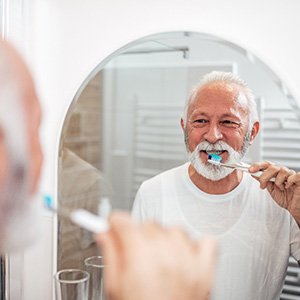
On the day after your dental implant surgery, it is okay to brush your teeth as usual but be very careful around the surgical sites.
Rinse your mouth well two or three times a day (ideally after eating) with warm saltwater. You can also use prescription mouth rinse if you have it, but avoid any mouthwashes that contain alcohol, such as Scope or Listerine.
What to Do After Your New Teeth Are Attached

The great news is that the hardest part of the dental implant process is behind you! Now comes the final step. When your new crown, bridge, or denture is attached to your dental implant(s), you may experience some minor, temporary sensitivity in the gum tissue. Thankfully, this is very easy to control with pain medication. There should be no swelling, bleeding or extensive recovery at this stage. In fact, you should be ready to show off your gorgeous new smile that very same day!
Maintaining & Caring for Your Dental Implants

Dental implants in Rowlett are built to last a lifetime—but only if you treat them with the proper care and attention. Fortunately, maintaining your newly restored teeth isn't complicated. With the right habits and a little effort, you can protect your investment and keep your smile looking and feeling its best for decades. If you want to know the secrets to longer-lasting dental implants, here's what our Sweet Family Dentistry team recommends.
Make Oral Hygiene a Priority

Dental implants can't develop cavities, but the gums and bone surrounding them can still be affected by bacteria. Brushing twice a day, flossing before bedtime, and paying special attention to your gumline help prevent peri-implantitis, an infection that can often lead to implant failure.
In addition, you should use a low-abrasive toothpaste and a soft-bristled brush during your oral care. This will keep your restoration clean without scratching or wearing down the surface over time.
Eat a Healthy Diet

One of the best perks of dental implants is their ability to restore 70% or more of your bite force. This means you’ll be able to eat a much wider variety of foods, enjoying your favorites guilt-free.
That said, you should still avoid biting down on things like ice, hard candies, and bone-in meats, which can crack your restoration. Try to work foods rich in calcium and vitamin D into your menu each week. This supports jawbone health and keeps your implants strong.
Break Bad Habits

Implant restorations are strong, but there are some seemingly harmless habits that can put them at risk. Try to avoid:
- Using your teeth as tools to open packages
- Biting your fingernails
- Excessive smoking and vaping
- Chewing on objects like pens and pencils
These can put unnecessary pressure on your restorations, cracking or dislodging them. If you need help, your implant dentist in Rowlett can share resources and tips with you.
Protect Your Dental Implants
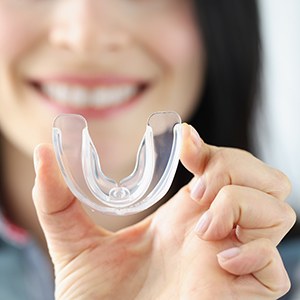
When it comes to protecting your teeth while being active, something is better than nothing. During contact sports and other activities where facial injury is a risk, always wear a mouthguard.
Also, if you grind or clench your teeth at night, we can make you a custom-fitted nightguard. This appliance can shield your implants and restoration from the pressure that builds up while you sleep.
Schedule Regular Dental Checkups
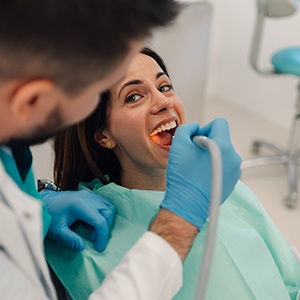
Come and see us at Sweet Family Dentistry at least twice a year. These visits are one of the most important things you can do to protect your dental implants long-term. Our friendly team will check on the health of your gums and jawbone, check your bite, and professionally clean areas that are hard to reach at home. Catching small issues early keeps them from worsening over time until they threaten your investment.
Dental Implant FAQs
Does Getting Dental Implants Hurt?
Many people experience anxiety around dental visits, especially if they are undergoing a more involved procedure, like placing dental implants. Our team in Rowlett understands that you might be nervous, and we will do everything we can to help you feel comfortable and calm throughout your appointment.
For instance, we’ll administer a local anesthetic to numb the area before beginning your treatment. We also offer nitrous oxide sedation (laughing gas) that’s administered through a gas mask that’s placed over your nose while we work. This typically induces a deep sense of relaxation or even euphoria, and you might notice a tingling in your limbs. That means you won’t have to worry about potential aches until after the medications wear off.
Then, it’s normal to feel sore and swollen for several days while your mouth mends. You can usually safely address aches with over-the-counter medications like Tylenol or ibuprofen, or by applying a cold compress for 15 minutes at a time.
How Long Do Dental Implants Usually Last?
Dental implants are known for being more durable and longer-lasting than alternative replacement teeth, like dentures or dental bridges. The titanium rod that’s placed in your jaw eventually fuses with the bone to become a more permanent part of your mouth. It can last up to 30 years or more if cared for correctly.
This is capped with a lifelike restoration that’s typically made from resilient ceramic that can be customized to match your natural teeth seamlessly. You can generally expect this to last anywhere from 15 to 20+ years before potentially requiring repairs or replacement.
What Can Cause Dental Implants to Fail?
Dental implants have a high success rate of more than 90%, but that doesn’t mean that they’re invincible. Typically, failures is caused by one of the following:
- Peri-implantitis. This occurs when bacteria in your mouth penetrate the implant site and infect the surrounding tissues, causing it to become destabilized.
- Failed osseointegration. If your mouth doesn’t generate enough new bone growth to fuse with your implant, it’s more likely to become loose or dislodged.
You might also harm your restorations if you use your teeth to open packages, chew fingernails or pen caps, or grind your teeth at night. Our team can provide a custom-fitted nightguard to protect your teeth from the pressure of constantly clenching.
Can I Get Dental Implants if I Smoke?
Although it may be technically possible to get dental implants if you smoke, it’s not usually recommended. Cigarettes, vapes, and other tobacco products contain nicotine, an addictive chemical that also functions as a vasoconstrictor. It reduces your blood oxygen supply and flow, so your body is unable to deliver essential nutrients or infection-fighting cells to your mouth during recovery.
Because smoking significantly increases the risk of implant failure, most experts suggest quitting at least two weeks before your procedure. Then, it’s best to wait two or three months to allow for osseointegration to complete before smoking again. However, this habit can potentially contribute to implant failure at any point in time.